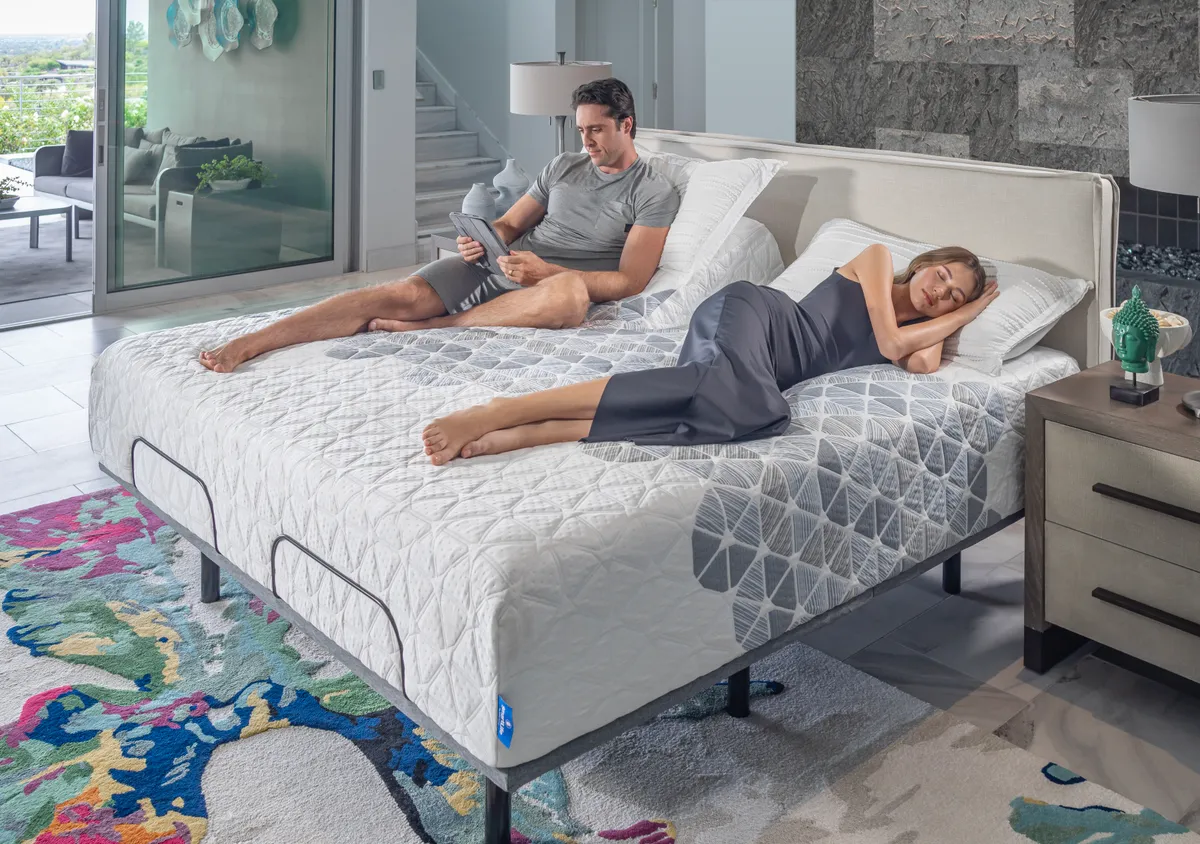
How Different Mattress Materials Feel When You Sleep
Two mattresses can look almost identical and still feel nothing alike, and the materials inside make the difference.
Read article
Preparing your best sleep…
Snooze Sleep Blog

You follow your usual bedtime routine, maybe even wind down earlier than usual, yet morning still arrives, and you feel more tired than rested. It happens more often than you'd think. Sleep quality depends on more than habits alone. The mattress underneath you plays a quiet but constant role in how well you rest, and small changes in comfort or support can add up over time without you noticing right away. Here are five signs your mattress might be working against you instead of for you.
Waking up stiff or sore is one of the clearest hints that your sleep setup deserves a second look. A mattress that no longer supports your body properly can leave you feeling this way, even after a full night in bed. Support needs also shift depending on how you sleep. A side sleeper typically needs more cushioning around the shoulders and hips than someone who sleeps flat on their back or stomach.
Comfort is personal too, so a mattress that feels great to a family member might not feel the same way to you. What feels supportive to one person can feel like sleeping on a rock to someone else.
If pain or discomfort continues or feels more serious, it's worth talking to a healthcare professional rather than assuming the mattress is automatically the cause. Morning discomfort is worth noticing, even if the reason isn't always obvious right away.
Some nights sleep comes easily. Other nights, you shift from side to side and still can't settle into a position that feels right. The clock creeps toward midnight, and you're still struggling to sleep in your pillow. That kind of restlessness often has something to do with the mattress itself.
Firmness matters, and so does how evenly the surface handles your weight as you move through the night. A surface that's too firm can create pressure in certain spots, while one that's too soft may not hold you up enough to feel settled. Occasional restlessness is normal; almost everyone has a rough night now and then. But a pattern that repeats night after night is worth paying closer attention to.
Take a look at your mattress in good light. Sagging or noticeable indentations can change how it feels, even if the shift looks small at first glance. Uneven spots are another sign worth noting. As the surface changes, the support underneath it changes too, and that isn't always something you notice right away.
Age alone doesn't tell the whole story, either. Two mattresses bought the same year can wear very differently depending on the materials used and how well they've been cared for. A mattress can look fine on the surface and still feel completely different underneath. Rather than counting years, pay attention to how the mattress looks and feels now compared to when it was new.
Have you ever slept better at a hotel or in a guest room than you do at home? That kind of experience can be a useful clue. If your body feels more rested somewhere else, it's worth thinking about what feels different about that surface.
Other factors can play a role too. A different pillow or a cooler room can change how well you sleep away from home. So can a simple break from your usual routine, which means the mattress isn't necessarily the only reason.
Still, comparing how your body feels and how quickly you settle in across different beds can offer a helpful hint, even when the answer isn't perfectly clear. Pay attention the next time you sleep somewhere new. Your body might already know something you haven't quite put into words yet.
Sleep needs change over the years, even when a mattress stays exactly the same. The position you sleep in most often can shift, and so can the kind of support that feels comfortable. A growing preference for a softer or firmer feel is common too, and it doesn't mean anything is wrong with you or your old mattress. It simply means your body has changed. Maybe you used to sleep flat on your back and now curl up on your side more nights than not.
Instead of assuming one mattress works forever or for every stage of life, it helps to think about mattresses built with different comfort levels and support styles in mind. Finding a better match for how you sleep now, rather than how you slept years ago, can make a real difference.
Before deciding whether it's time for a change, think through a few key points. Start with the age and condition of your current mattress, and how well it still supports your favorite sleeping position.
Firmness and comfort preferences matter too, since these often shift over time. It also helps to check whether your pillow and other bedding work well with the mattress you have, rather than against it.
If you do end up shopping for something new, take your time comparing different comfort levels instead of choosing based on looks or price alone. A little patience now can save you from a decision you'll regret later.
From morning stiffness to changing sleep preferences, the signs show up in different ways, but they often circle back to the same place: your mattress. No single mattress works for every sleeper, since comfort and support needs are personal and shift over time. Looking at your whole sleep setup, not just the mattress itself, can help you make a choice that truly fits your body.
We're a locally owned business that treats every person who walks through the door like family, and our team would love to help you find your way to a better night's sleep. Contact us today to get started.
A topper can add a helpful layer of cushioning while you weigh your options. It usually won't fix deeper support issues in an older mattress, though, so think of it as a short-term comfort boost rather than a long-term fix.
Most people need some time to adjust, often a couple of weeks, before a new mattress starts to feel normal. Giving yourself a fair trial period makes it easier to judge whether the change is actually working for you.
Not always. Many options today are built to feel different on each side, or settle on a medium feel that works reasonably well for two people with different preferences.
Yes. Materials that breathe well, along with lighter bedding, can make a noticeable difference for people who tend to sleep warm.
It can. Temperature changes affect how certain materials respond, especially foam, though this typically evens out once the room warms back up.
Not sure which mattress is right for you?
Take the 60-Second Sleep QuizReal People. Real Results. Real Sleep.
Talk to our Sleep Specialists in Brownsville. Get Dream Mapped, try the mattresses that fit your body, and ask about 0% financing — we treat every person who walks through our door like family.
3831 Frontage Rd, Suite 2, Brownsville, TX 78520 · Mon–Sat 10 AM–7 PM · Sun 12–6 PM
Two mattresses can look almost identical and still feel nothing alike, and the materials inside make the difference.
Read articleAround Brownsville, November has a pattern. The cousins start a group chat about who's hosting Thanksgiving on November 26.
Read articleWalk through enough Brownsville bedrooms and you'll see the same setup: three or four pillows wedged behind someone's back so they can watch the news, scroll their phone, or sit up after a late dinner.
Read article